
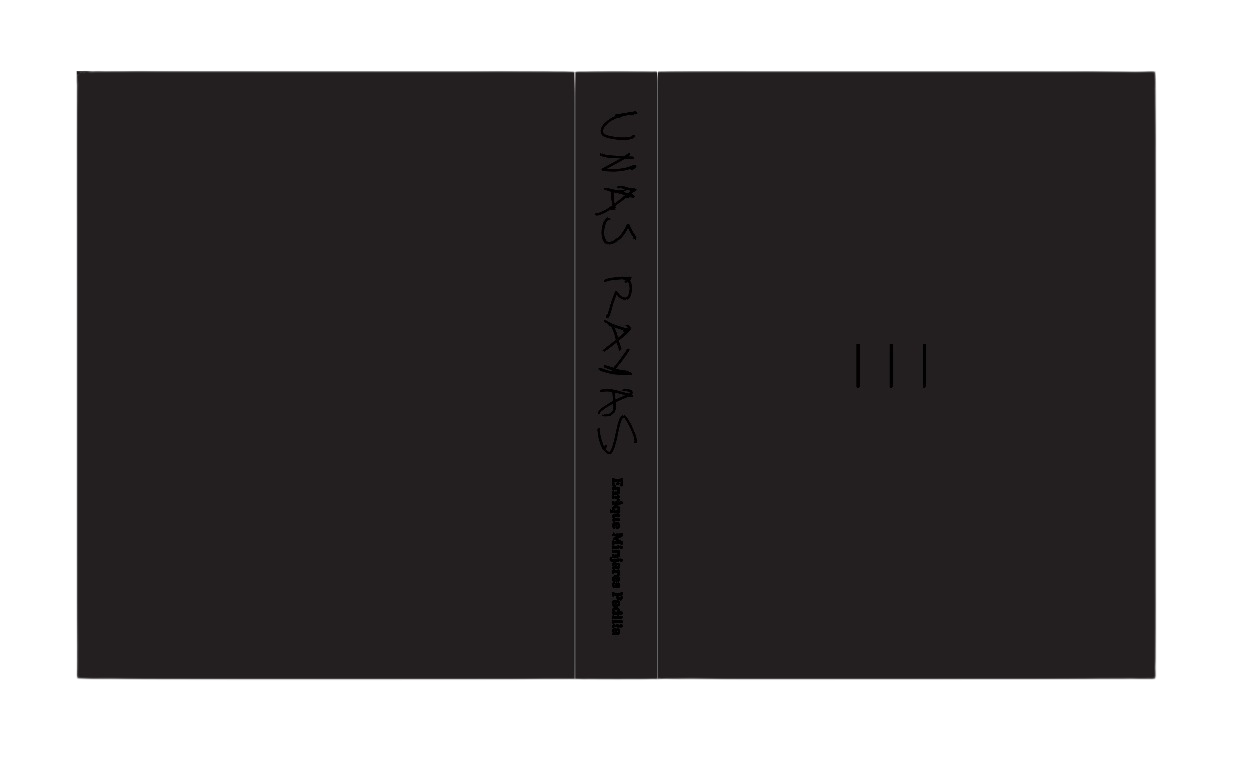
111 Drawings
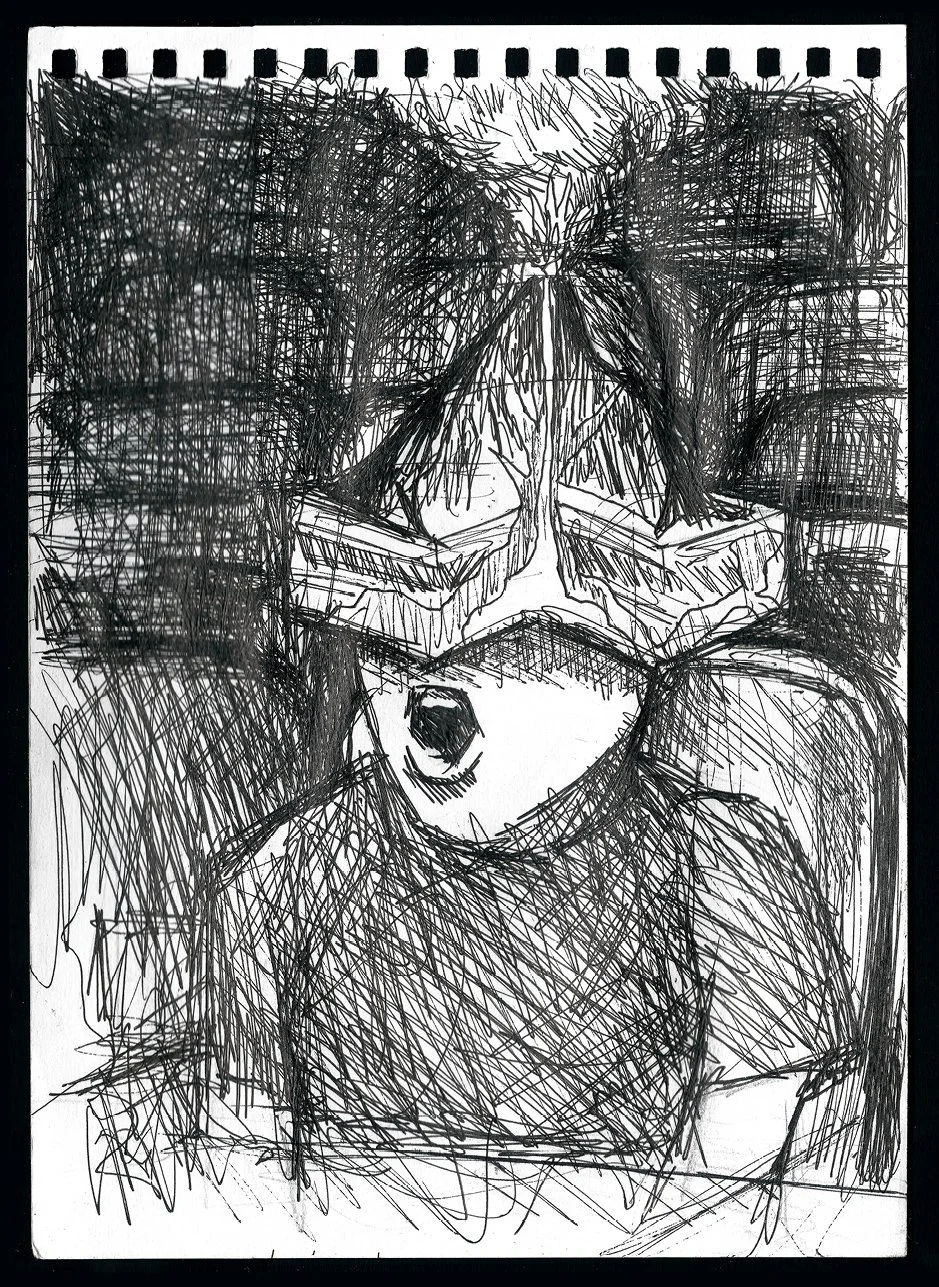
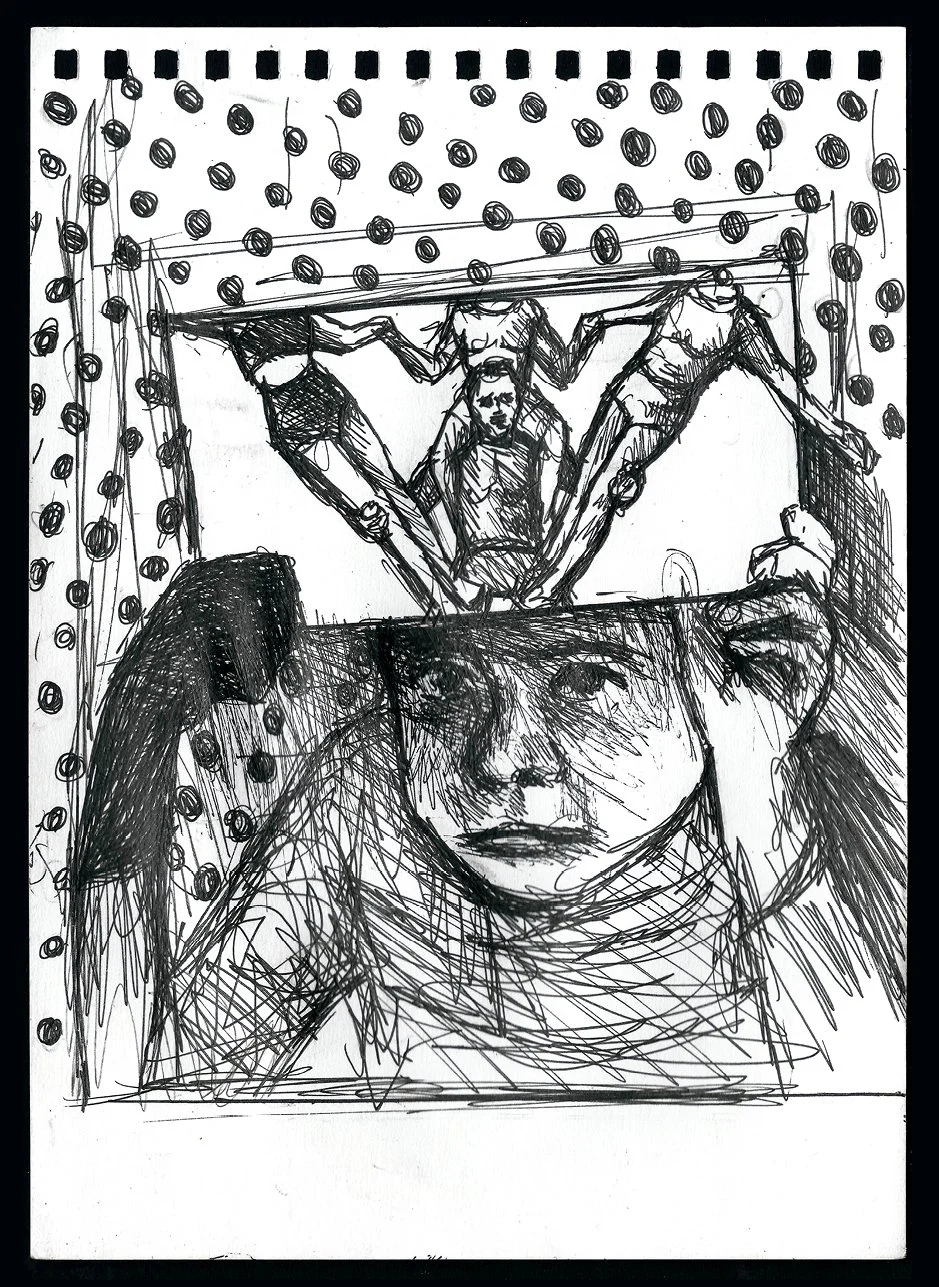
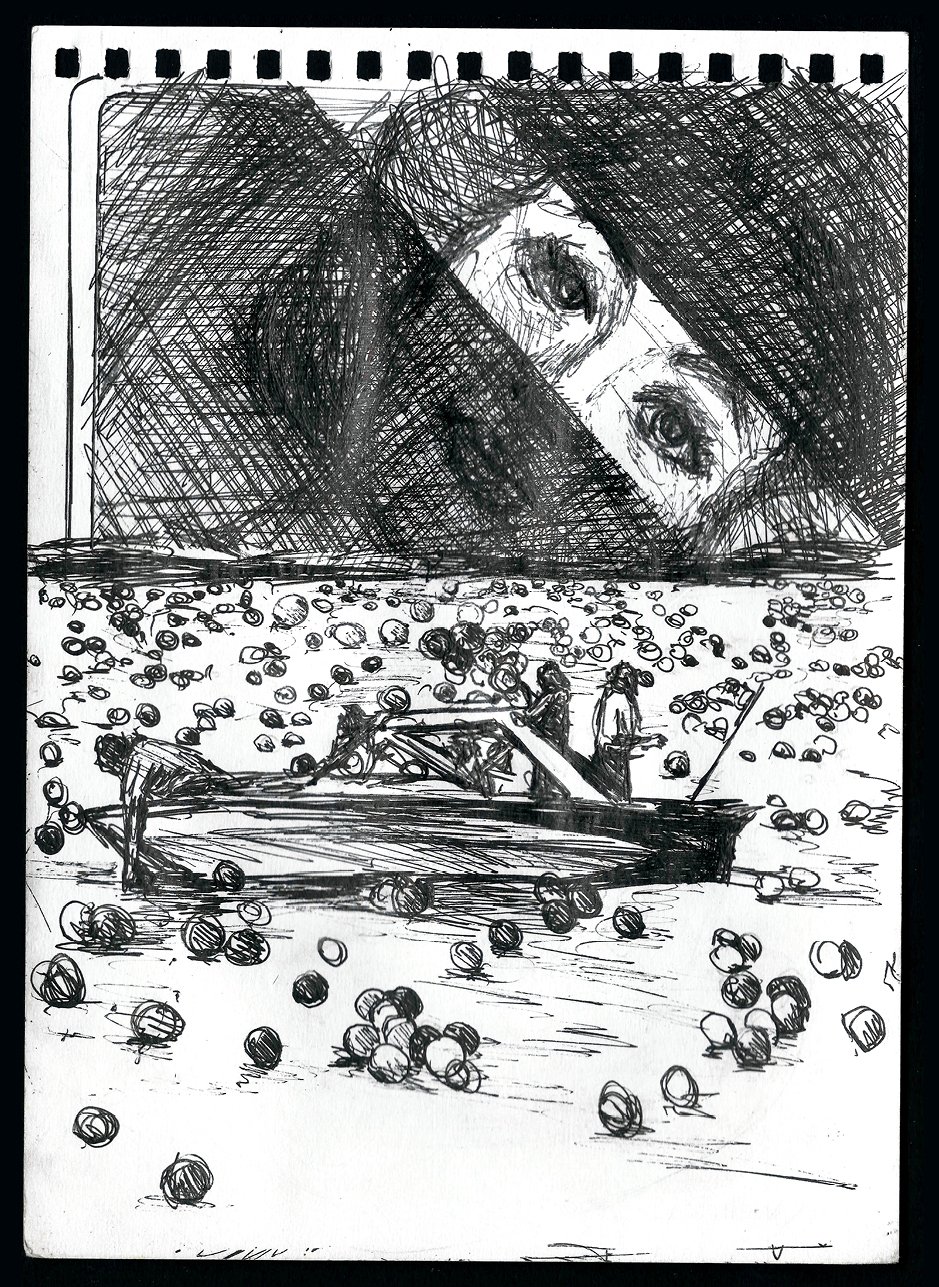
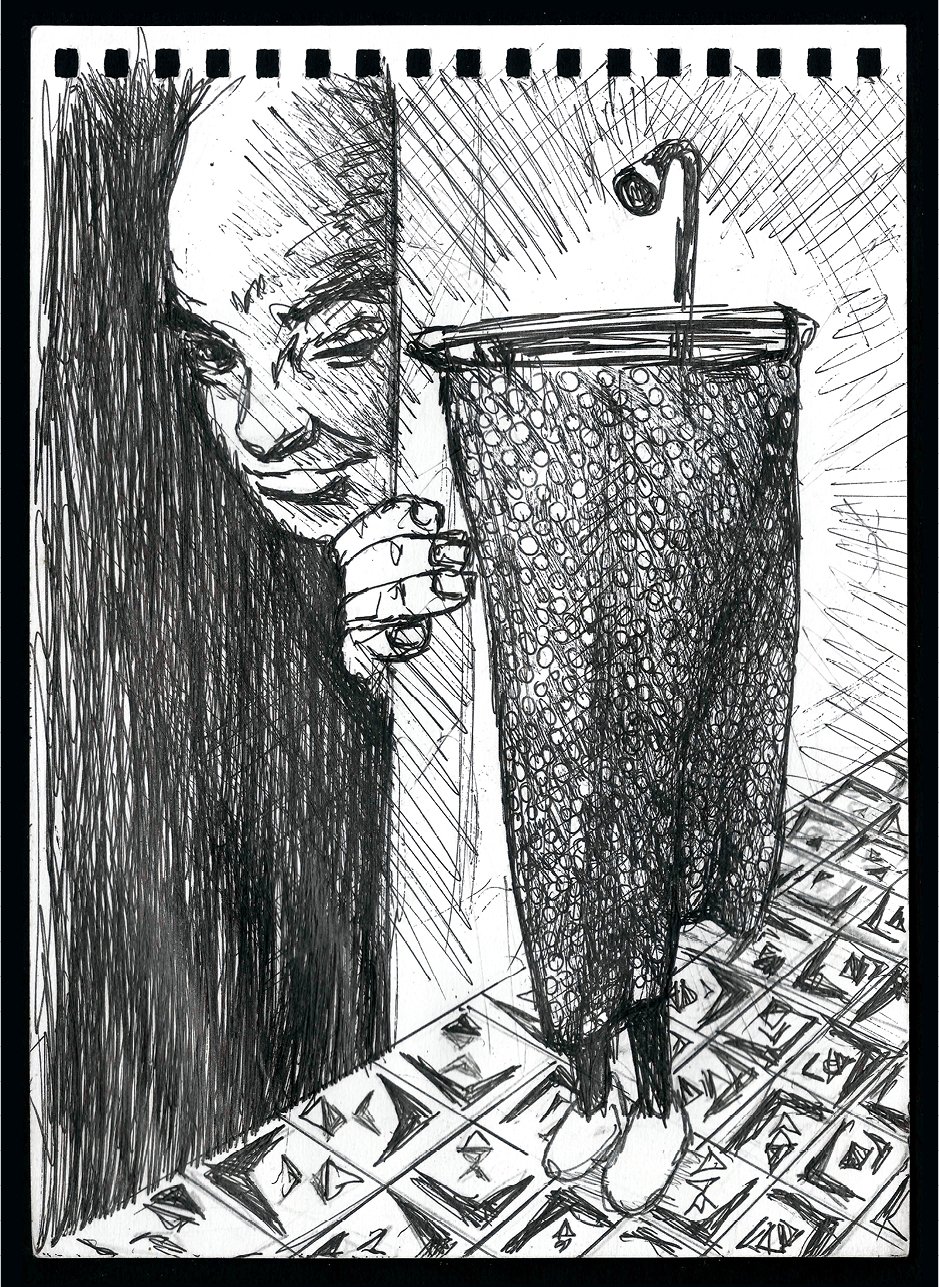
One hundred and eleven drawings borrowing from the surrealist technique of automatic writing, culling themes from a wide range of cultural references, which, for many, date back to childhood. Largely television memories, others taken from comic books, or things seen, read, or heard outside the small screen, accompany snapshots of stories in which memorized scenes resurface and blend as spontaneous inspirations that the hand translates with a precise and resolute stroke onto paper. The result of sustained practice, this whimsical, dithyrambic body of work is the fruit of a discipline the artist imposed on himself until he had completed one hundred, plus ten, plus one drawing, all of which render images accumulated day by day, hovering between the conscious and the subconscious. This regular practice grants its creator a kind of self-regulating systemic autonomy that distances him from common dynamics. It is worth noting that every artist maintains a constant dialogue with their work, which stands between them and the world that inspires it. With the exception of a few drawings featuring only animals, most depict people alone or in the company of others. One common thread among nearly all the drawings gathered here is indeed the depiction of living beings in situations that are generally childlike and playful, often unreal, even odd.
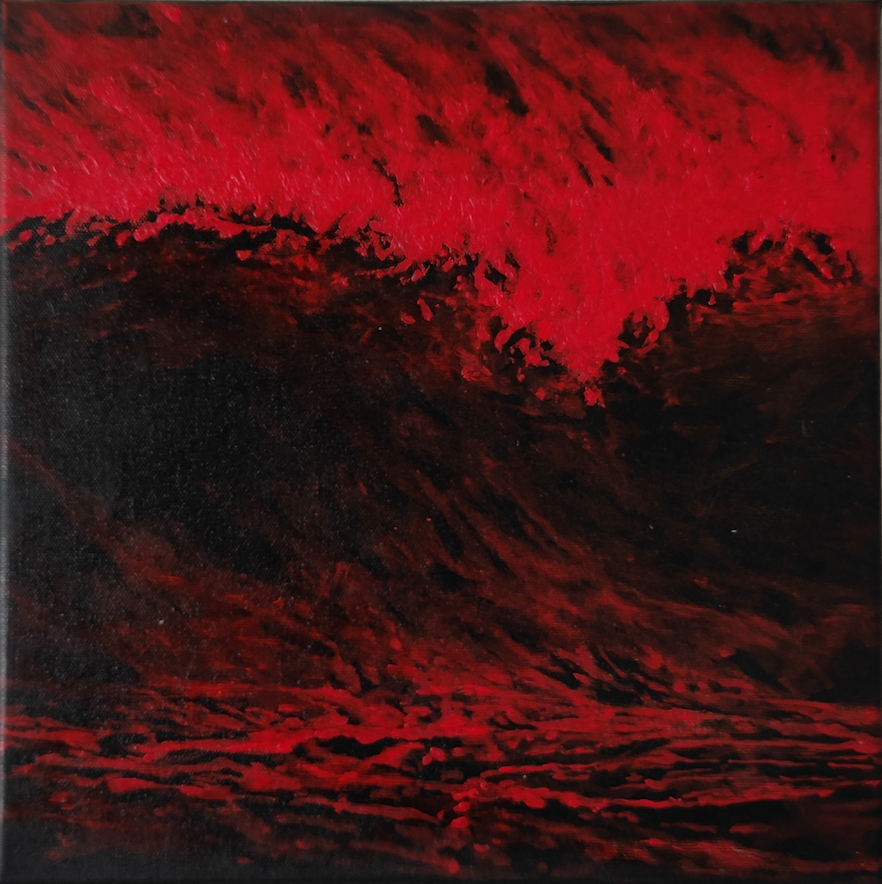
Red Wave
Rather than listing the numerous associations that a red wave on a black background might suggest—at the risk of falling into many a commonplace—let us focus instead on the energy that the turbulence frozen in these scarlet splashes conveys, releases, and communicates. This still image clearly speaks more of movement than of rest. Although the preceding moment has been erased by the one the artist chose to capture on canvas, and the moment after has yet to come, it is precisely the latter that our knowledge of tides and swells anticipates. The wave, constantly in motion, accompanies the inexorable passage of time while transcending it. Its eternal return, the rhythm imposed by its ebbs and flows, the sounds emitted by these surges and crashes of prodigious masses, its uninterrupted return, suspend time in infinite repetitions, each of which is unique. Just as one might think that no two clouds have ever been exactly alike, it is highly unlikely that two waves, identical down to the last drop of water, have existed, exist, or will ever exist, at any latitude. Waves are like the world’s pulse. The incessant visual and auditory repetitions that accompany the flux and reflux exert a sort of hypnotic power over the lone walker strolling along the shore. The red chosen by the artist to represent the wave is clearly laden with socio-political connotations, but he also evokes the incandescent slag spewing from volcanoes with gaping mouths turned toward the sky. Both phenomena serve as a reminder that we are part of a miracle in action, that of a strange, forever unsolved existential enigma, as we ride a giant spinning top driven by a movement we hope will remain indefinitely.
Michel Blancsubé
May, 2026
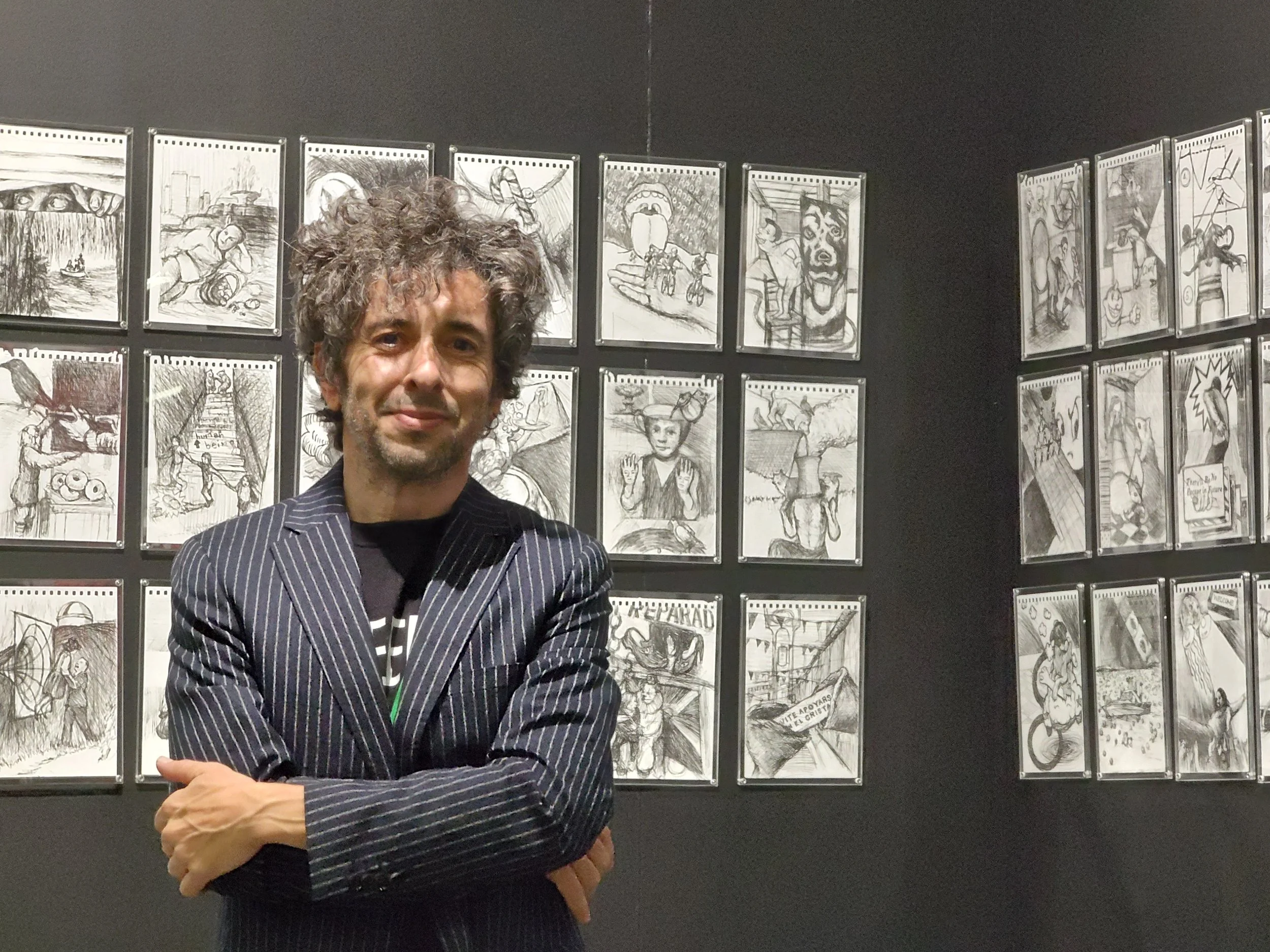
Enrique Minjares Padilla (Ensenada, Baja California, Mexico, 1977) lives and works in Mexico City since 1995, where he earned a Bachelor's degree in Visual Arts from the National School of Visual Arts (ENAP) at the National Autonomous University of Mexico (UNAM).
Minjares uses drawing and painting as his primary means of expression and incorporates digital techniques as well as photographs from mass media to create images that allude to tragedy and catastrophe, in which the artist strives to blur the boundaries between fiction and the narrative of contemporary history. His work has been exhibited in public and private institutions in Mexico, Germany, Denmark, Italy, and Japan, to name just a few.